Concept Development
- Home
- Main Service
- Concept Development
Concept Development
Our concept development services translate early-stage ideas into structured engineering concepts for major US manufacturers. Through systematic requirement analysis, functional decomposition, and preliminary system architecture design. We evaluate operational parameters, load conditions, duty cycles, and environmental constraints to define viable technical pathways. Using feasibility studies that incorporate mechanical, structural, and systems engineering principles, we assess material selection, manufacturability, energy efficiency, and lifecycle performance. Computational modelling and simulation tools are applied to validate initial assumptions and identify potential design risks. Each concept is benchmarked against relevant industry standards and safety regulations to ensure compliance from the outset. The outcome is a technically robust conceptual framework that aligns functional requirements with engineering practicality, forming a validated foundation for detailed design development and downstream implementation.
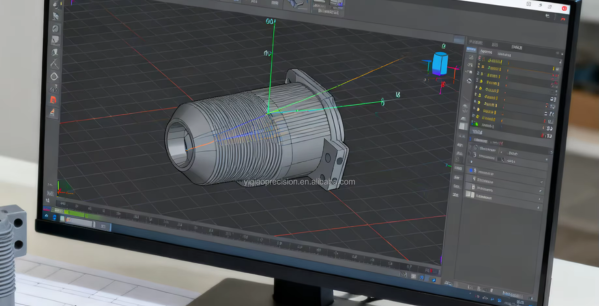
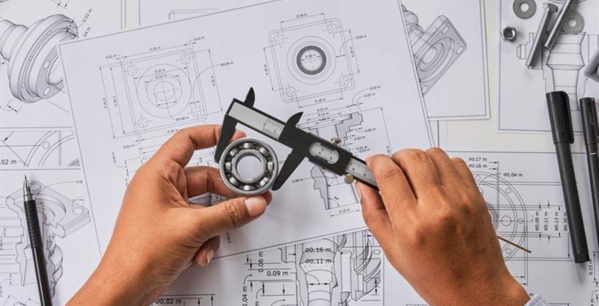
Building on the initial feasibility phase, we refine selected concepts through iterative engineering analysis and optimization processes focused on performance, reliability, and cost efficiency. Parametric modelling and finite element analysis are used to evaluate stress distribution, fatigue behavior, thermal response, and dynamic performance under simulated operating conditions. Design trade-offs are systematically assessed to balance structural integrity, weight reduction, manufacturability, and maintenance accessibility. We also integrate risk assessment methodologies such as failure mode and effects analysis to identify and mitigate potential operational vulnerabilities. Supply chain considerations and fabrication constraints are incorporated to ensure realistic production pathways. This stage results in a refined conceptual design that is technically validated, economically viable, and aligned with both operational demands and regulatory frameworks.
The final stage of concept development consolidates engineering outputs into a comprehensive concept package suitable for stakeholder review and progression into detailed design. This includes fully defined system layouts, preliminary drawings, interface specifications, and supporting calculation reports. We ensure traceability between original requirements and final design decisions through structured documentation and configuration control processes. Compliance with applicable machinery directives, safety codes, and industry standards is verified through formal technical reviews. The deliverable provides a clear engineering roadmap that reduces development risk, accelerates downstream design phases, and enables informed decision-making for investment, procurement, and production planning.